Essays
Writing from New Ideas Hub.
Start here
Where ideas live
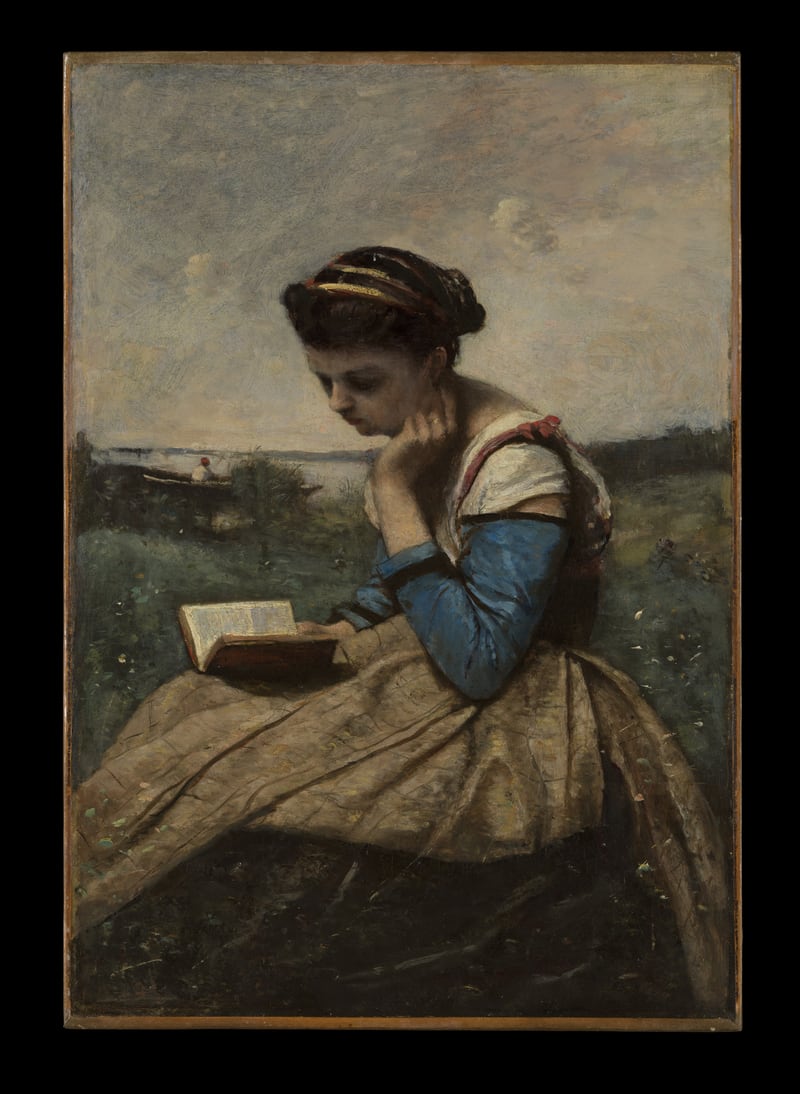
The ideas no one saw
A box of negatives, a sewn booklet, and a request to burn the pages: on the strange comforts of keeping work to ourselves.
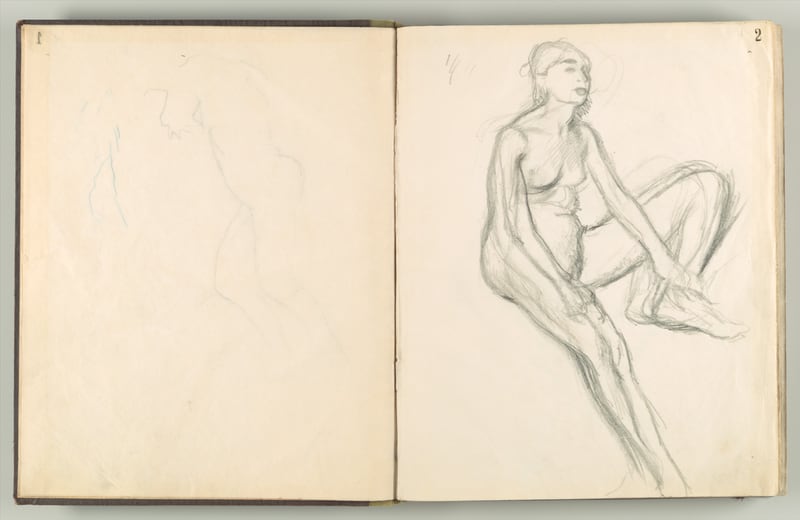
The notebook and the work
A pencil timeline and two older accounts of attention complicate the difference between keeping an idea, living with it, and making something.
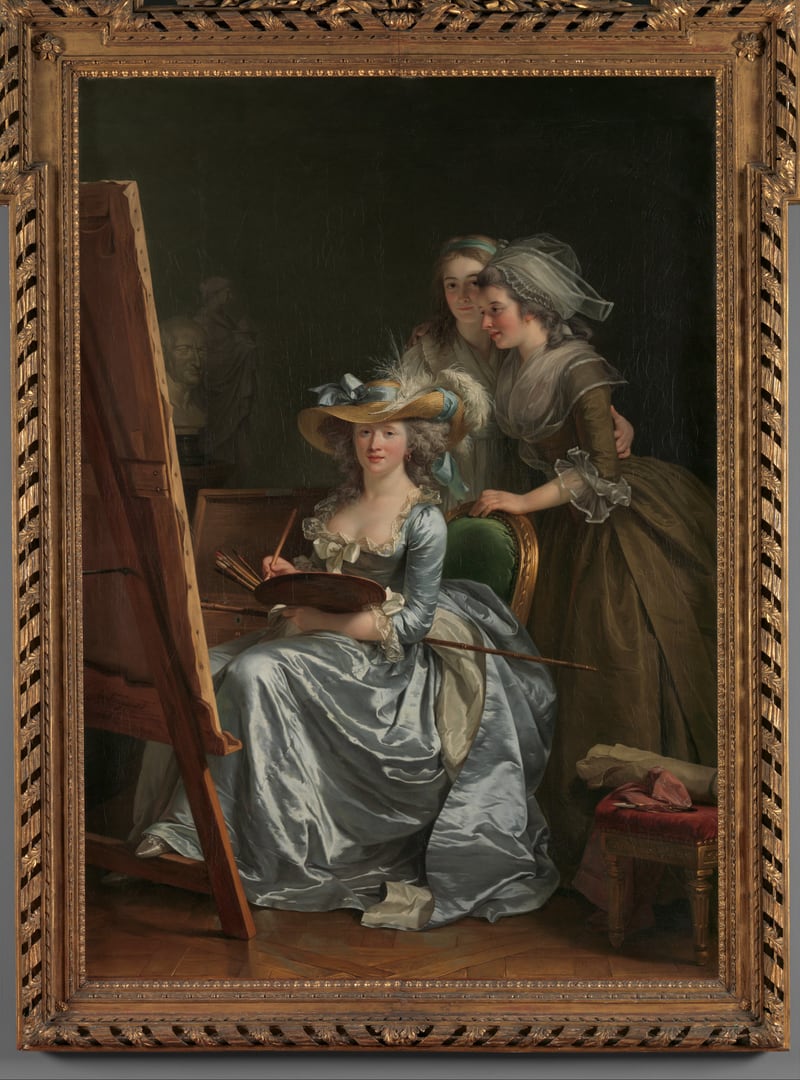
What an unfinished thing leaves behind
A finished manuscript and a painted foot complicate the question of what survives when work fails to reach its hoped-for ending.


The time before
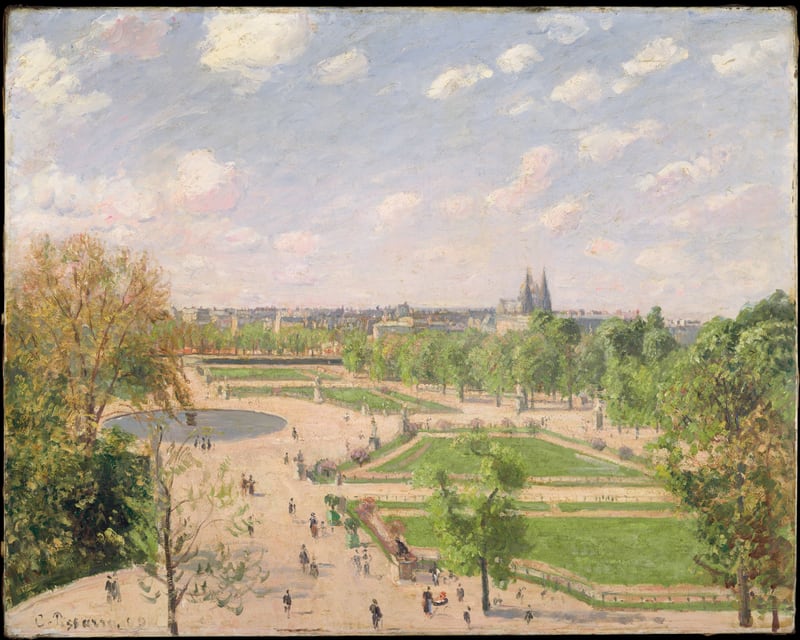
The day after the fresh start
A notebook, Montaigne’s amended pages, and Seneca’s admissions complicate the hope that a new beginning will arrive with a different self.
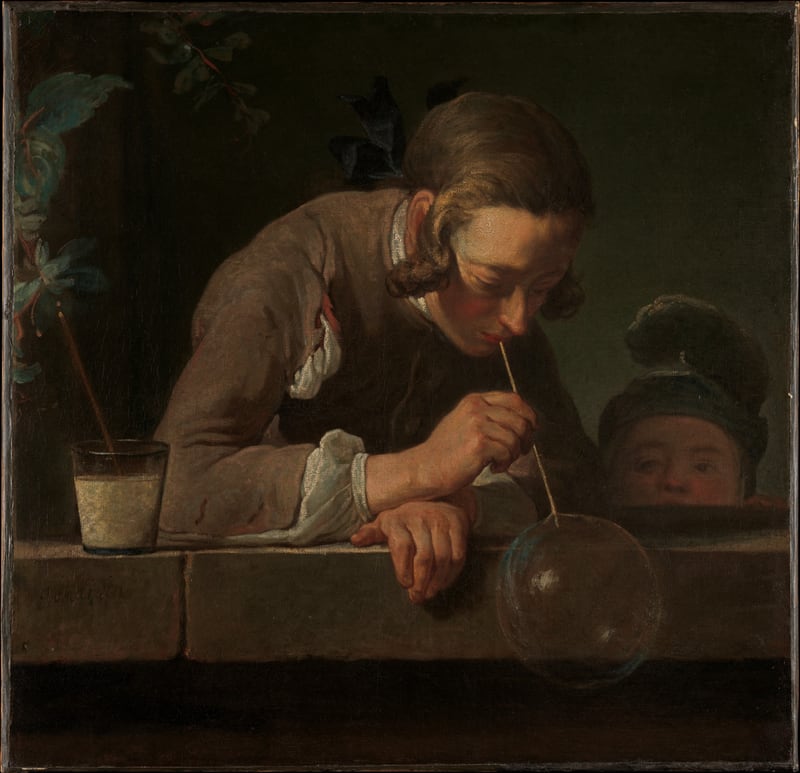
The task we keep carrying
On the attention a small errand can absorb, and the hopes we leave attached to its eventual completion.
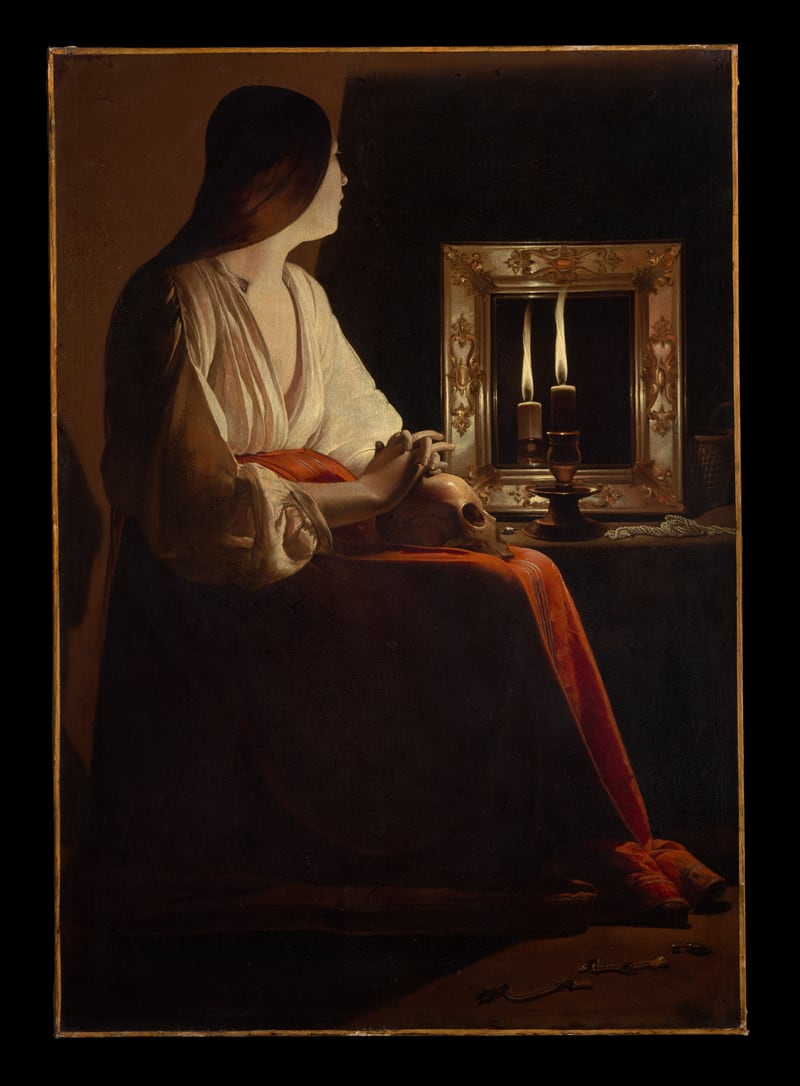
What the quiet hours contain
A lamp-lit book and a monk’s burned handiwork complicate the difference between attention, avoidance, and time that owes us nothing.


Becoming a beginner
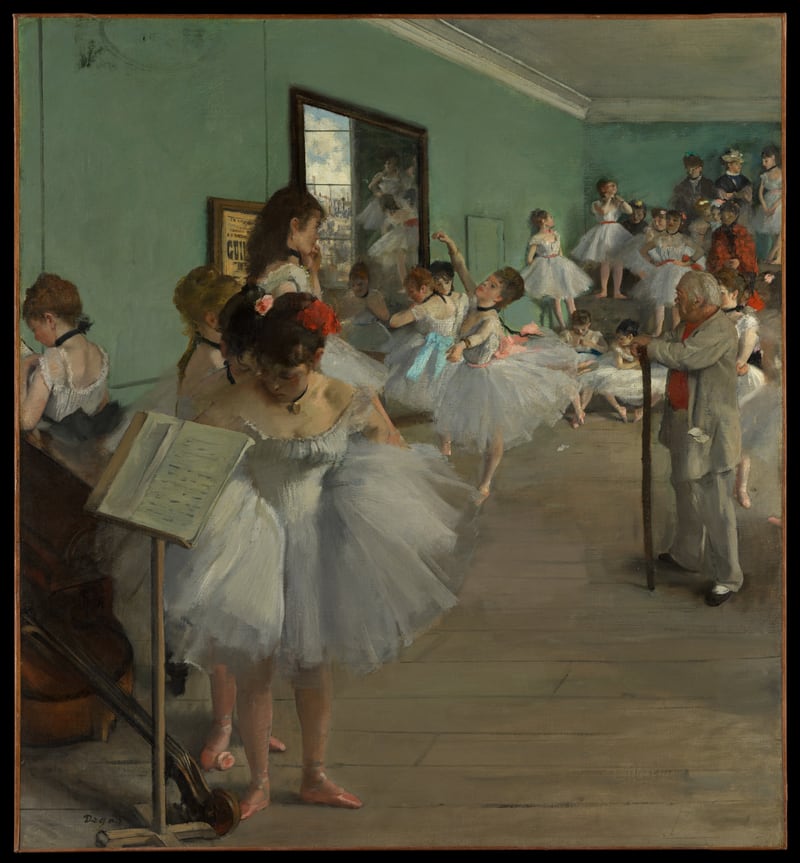
The awkward first day
A hesitant pen, Keats’s dark passages, and Aristotle’s apprentices complicate the feeling that an unfamiliar beginning must be a mistaken one.
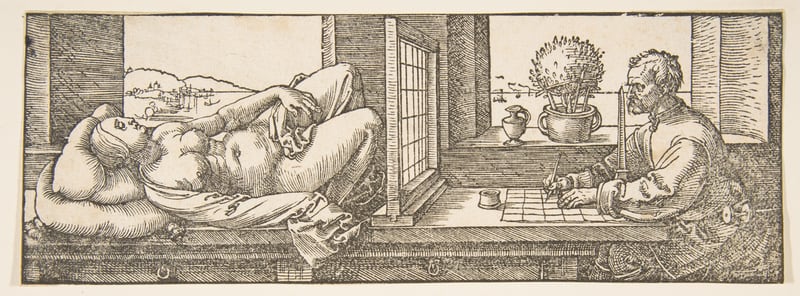
The tool that felt like permission
A watercolor box and a perspective frame open a question about the permission we seek from objects, and the help they cannot supply.
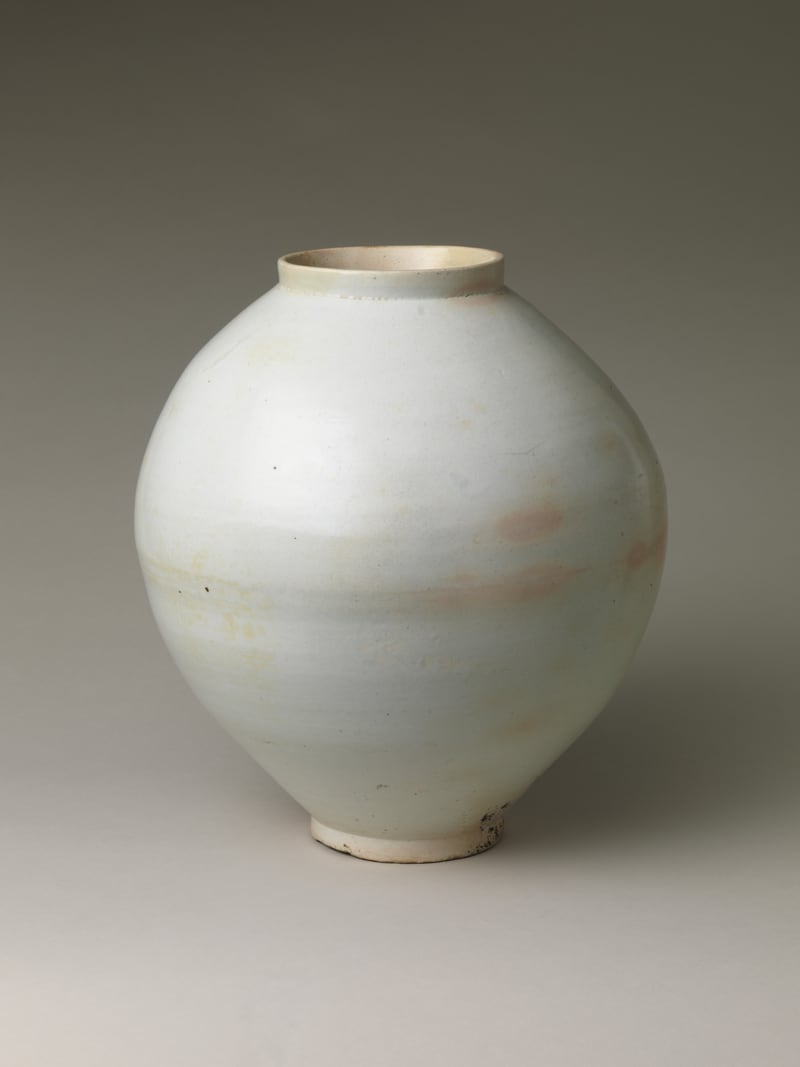
Before it looks like art
A crooked cup, a working drawing, and a porcelain jar complicate the distance between the art we love and the work we can make.


Making a small living
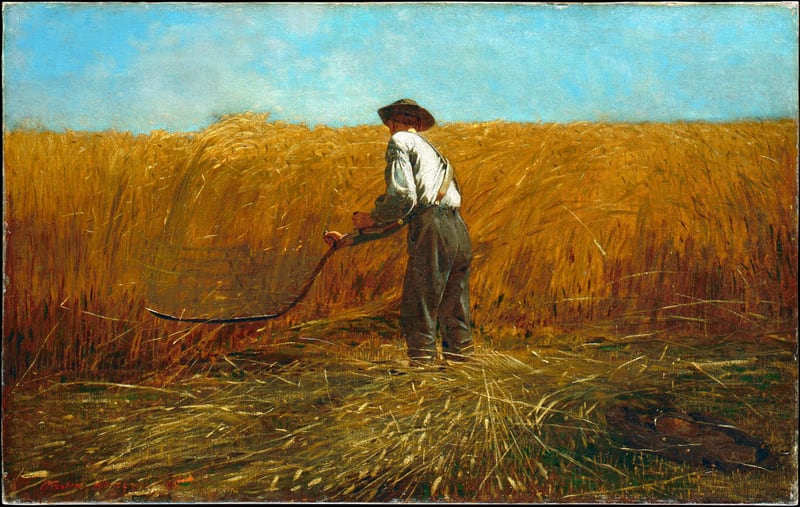
A living, not a legend
A finished book, Morris's useful labor, and Ruskin's account of wealth reopen the question of how much a livelihood has to prove.
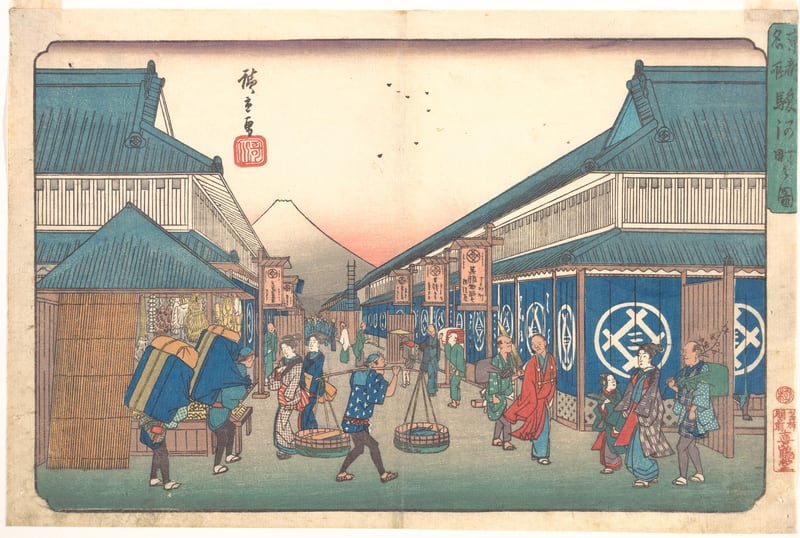
The business before it has a shape
A name lets other people recognize an undertaking before its maker can be certain what, or how much, it will become.
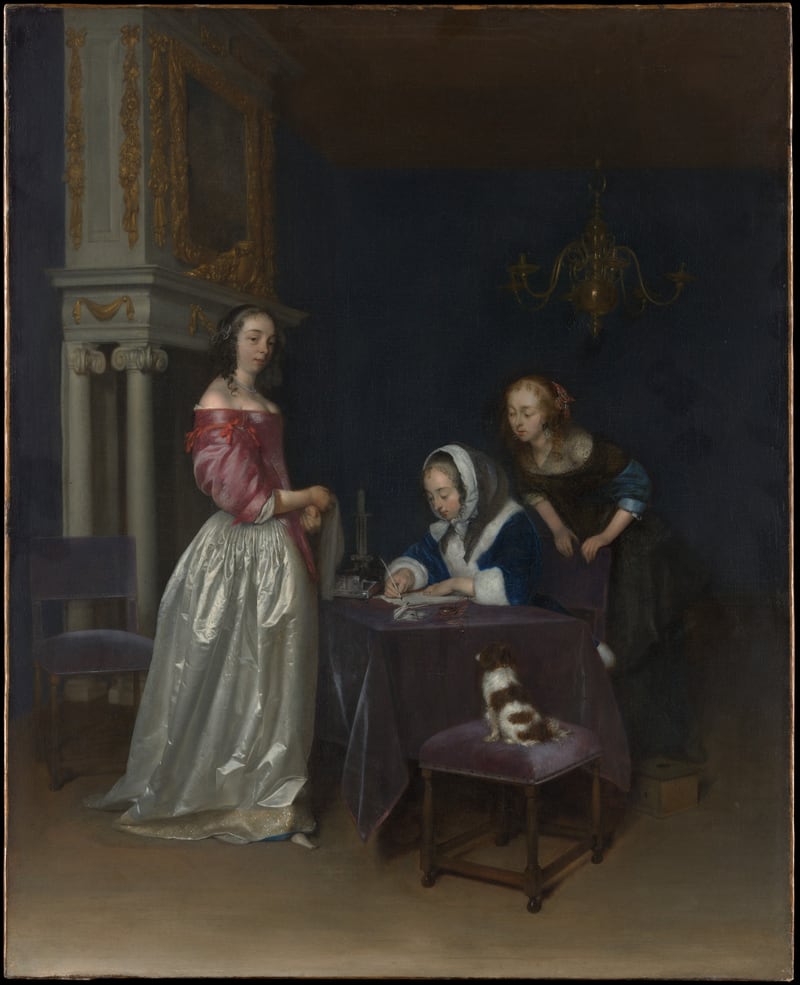
When a promise becomes work
A diary, a philosophical genealogy, and a letter explore what happens when an intention has someone waiting at the other end.


What receives our attention
A day with nothing to show
A summer morning and a borrowed axe complicate the search for a respectable explanation of time that passed.
The world at walking speed
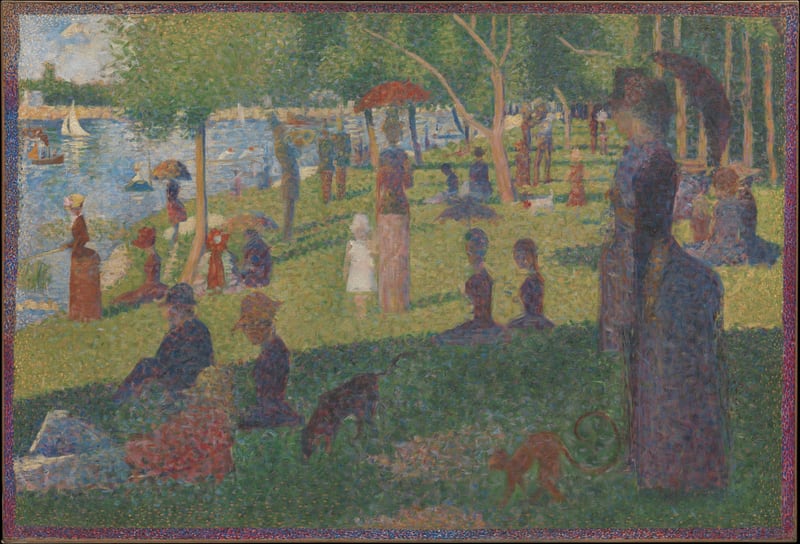
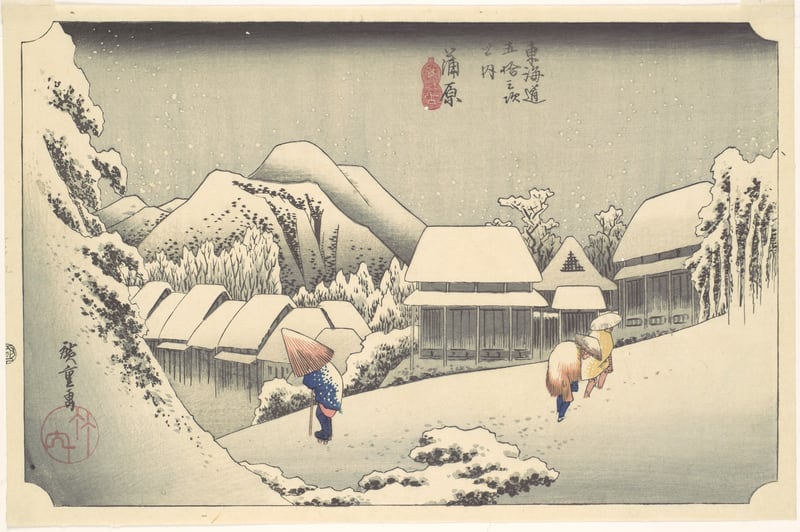
A snowy print and an arranged garden path suggest that noticing a place may give it more independence from our wishes.
The books we will not read
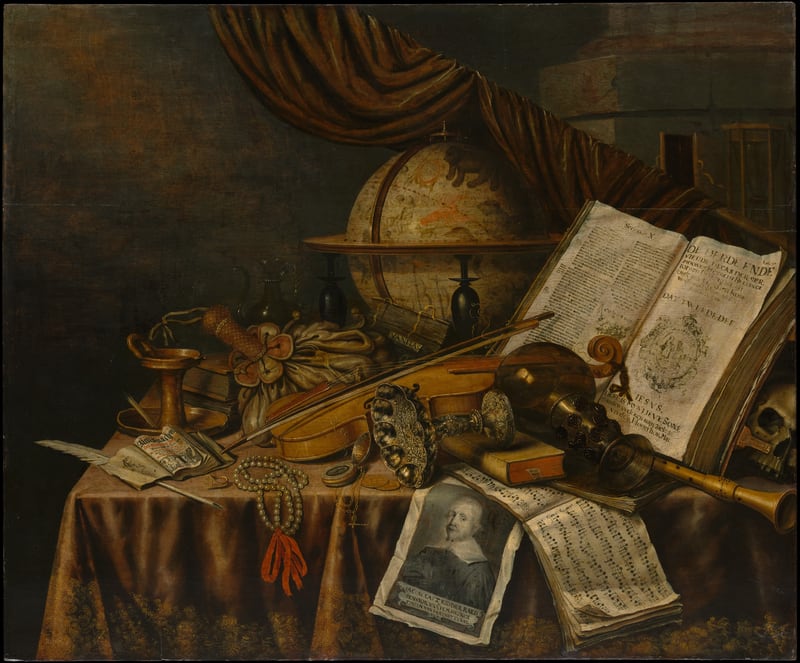
A bedside pile, a friend's selection, and an imaginary library reveal what remains unsettled in the books we keep for later.


Work seen and unseen
Work without witnesses
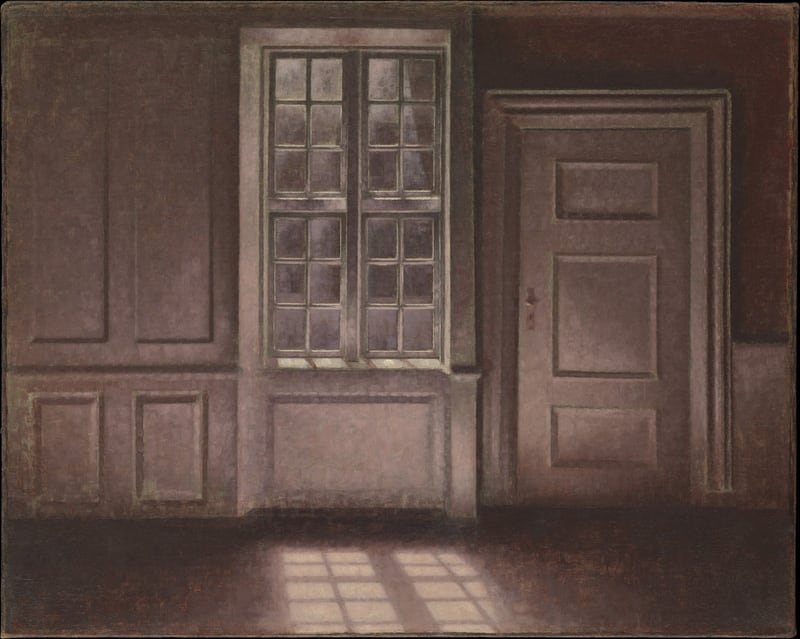
A notebook, a locked door, and a translation raise the question of whether private work can be enough in the life that uses it.
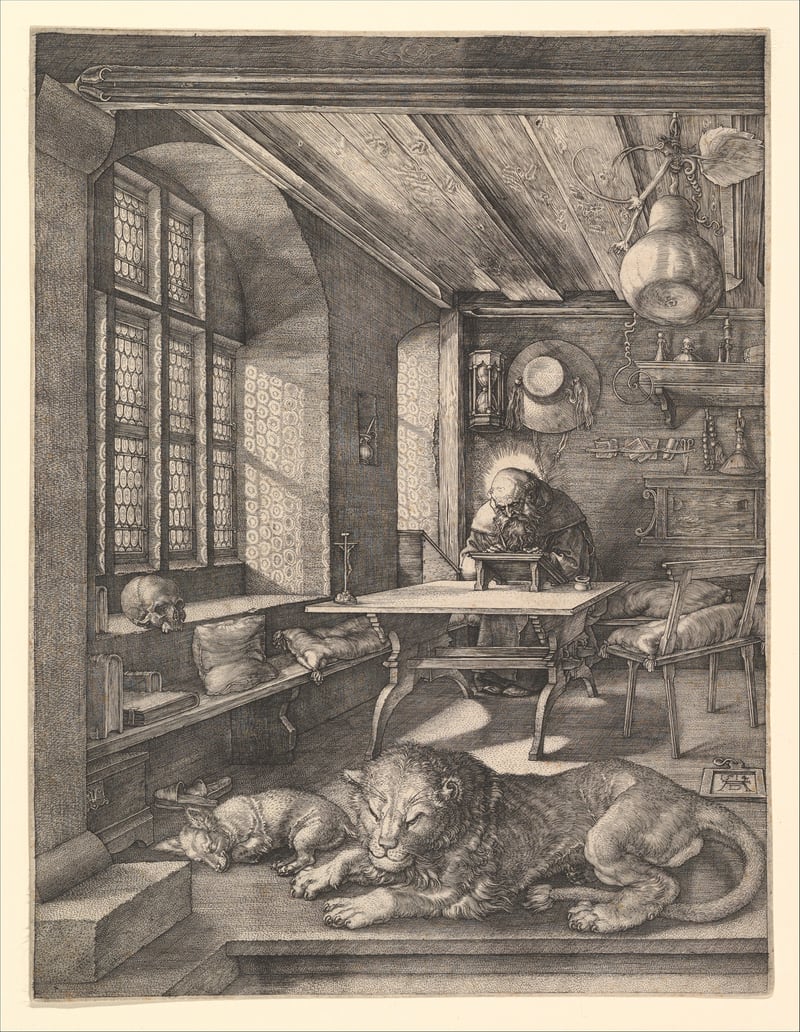
The audience at the desk
A private margin in Pepys's diary opens a question about the readers we admit, and the work their presence quietly changes.
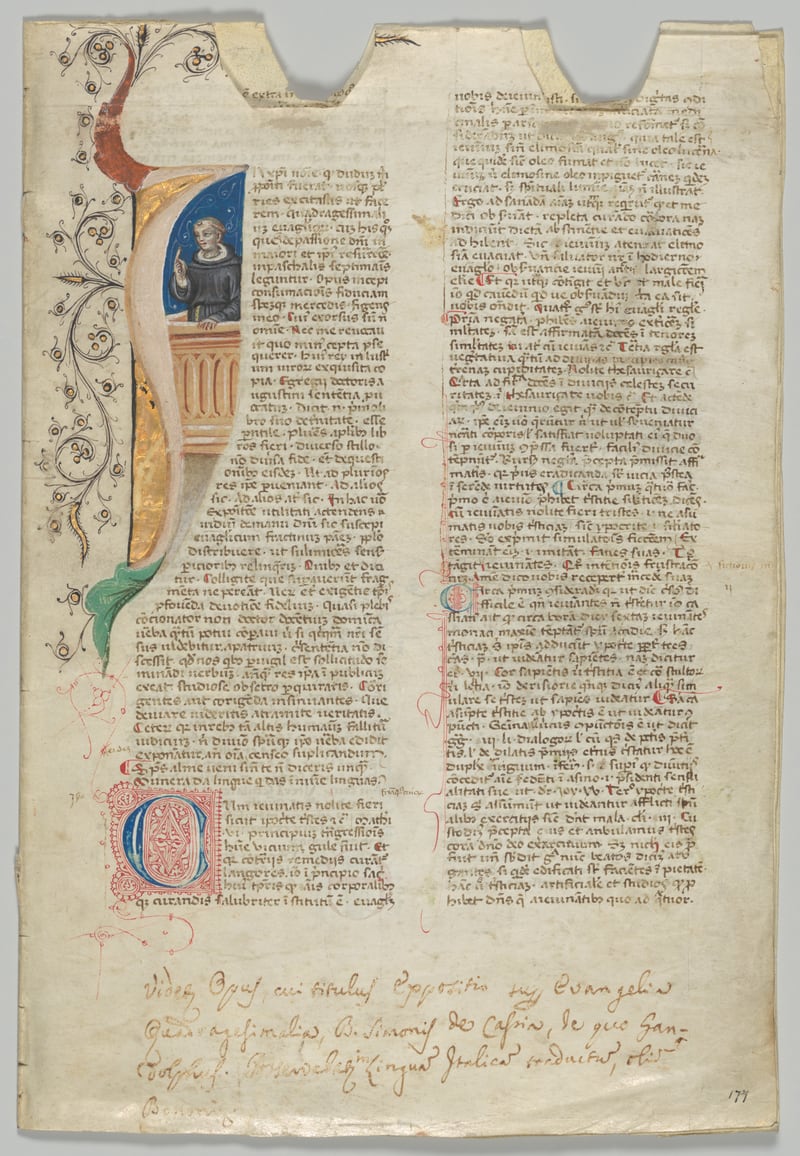
Who owns the unfinished page
A manuscript passes into other hands, and the reader inherits decisions that can be difficult to see.


